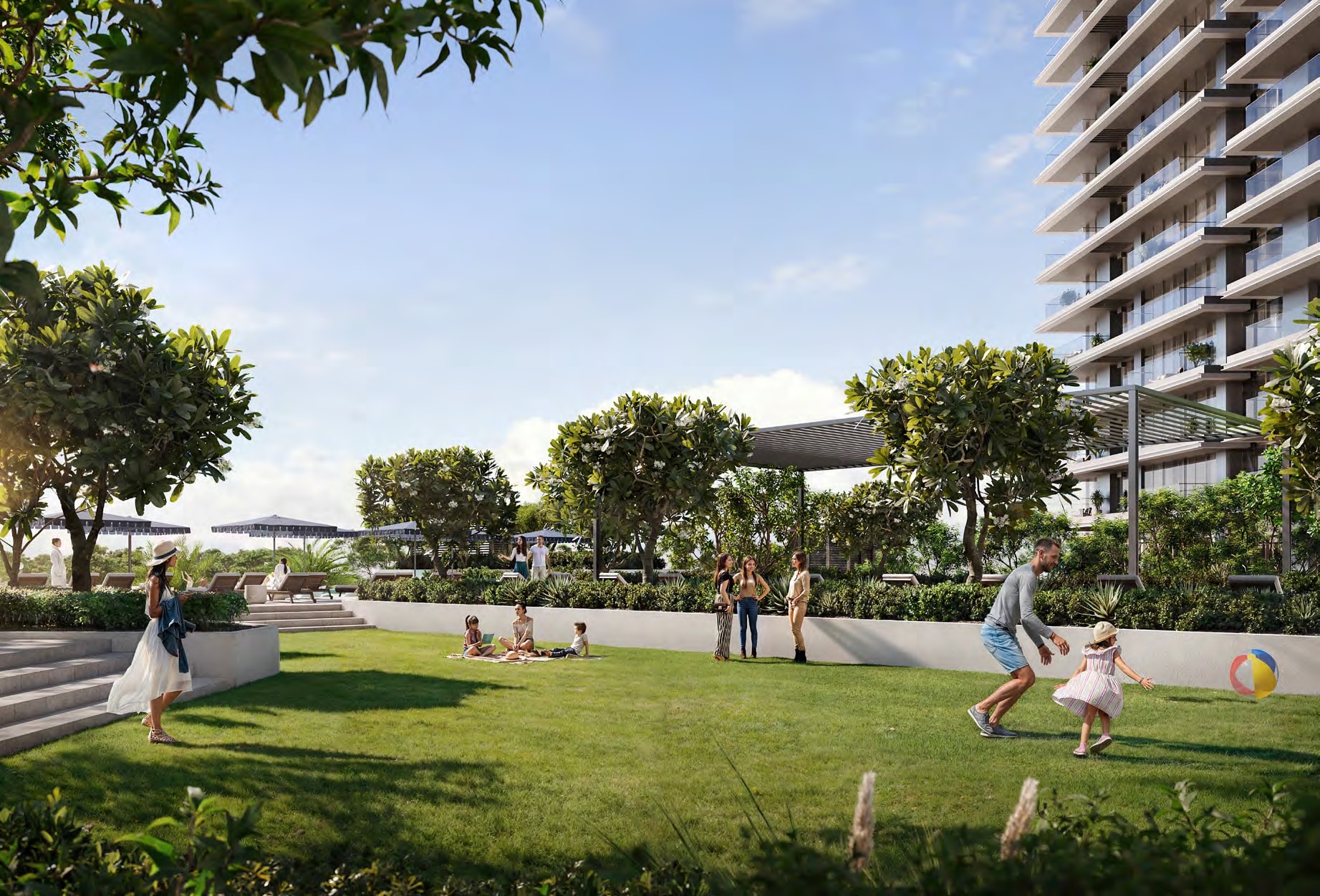
AED 1,813,888
1 to 3BR Apartments and 3BR Townhouses | Located beautifully in the Heart of Dubai Creek Harbour | Developed by Emaar Properties
Altan by Emaar at Dubai Creek Harbour
Dubai
Market Trends
Mifrah Properties Team · November 2, 2026 · 11 min read
Every great city has a district that quietly turns into its next centre of gravity. For Dubai, that district is increasingly Dubai South. Anchored by one of the most ambitious aviation projects on the planet and backed by a government-led master plan, Dubai South is moving from open land to a living, working urban centre. Residents, investors, logistics giants and entrepreneurs are all paying attention, and for good reason.
In this guide, we cover why people are relocating here, what the numbers say about prices and rental returns, which communities and developers are shaping the area, and what to watch for in the coming years.
Dubai South is a master-planned city of roughly 145 square kilometres, designed to support more than one million residents and around 500,000 jobs. It is built around Al Maktoum International Airport (DWC) and sits strategically between Dubai and Abu Dhabi, close to Jebel Ali Port and Expo City Dubai.
Unlike districts that grew organically, Dubai South was planned from day one as a complete ecosystem: residential neighbourhoods, a business park, a logistics hub, aviation facilities, retail, schools and green space, all connected by major highways. That planning is what makes the Dubai South development plan so compelling to long-term buyers and renters alike.
The single biggest reason people are moving to Dubai South is the airport. The Al Maktoum airport expansion is a USD 35 billion programme (backed by an AED 128 billion master plan) that aims to make Al Maktoum International Airport (DWC) the largest airport in the world, with the capacity to handle up to 260 million passengers a year.
Why does this matter for property?
Put simply, Al Maktoum Airport is not just a transport facility. It is the economic anchor around which the entire district is being built.
If you are researching Dubai South, the first thing to do is study the Dubai South map. The area is divided into purpose-built districts, each with a distinct role:
Connectivity is a major strength. The district has direct access to Sheikh Mohammed Bin Zayed Road and Emirates Road, putting Jebel Ali Port, Expo City and the wider emirate within easy reach.
The Dubai South residential district is designed so that workers do not have to endure long commutes. Housing sits close to the airport, business park and logistics zones, which is exactly what aviation and logistics employees look for.
For residents, this means shorter commutes and newer buildings. For investors, it means a built-in tenant pool tied directly to the district's largest employers. Many buyers also appreciate that the area offers modern construction at noticeably lower prices than central Dubai.
It is worth being honest about one thing: as with any developing area, some community-level amenities are still maturing. Families should look at the current status of schools, retail and healthcare in their chosen sub-community, and factor in how quickly facilities are being delivered.
The Dubai South free zone is a major draw for entrepreneurs and companies. Its Business Park and logistics areas offer 100% foreign ownership and tax incentives, which attract startups, SMEs and established corporates.
Major logistics names, including Aramex and DHL, are setting up operations in the Logistics District thanks to its direct airside connection to Al Maktoum International Airport and its proximity to Jebel Ali Port. For businesses that move goods, the location advantage is hard to match.
This commercial activity feeds back into the property market. More companies mean more employees, and more employees mean more demand for homes to buy and rent in the area.
One of the strongest arguments for Dubai South properties is affordability. Average prices sit at around AED 1,350 to AED 1,643 per square foot, which is far below Dubai's central and luxury hubs.
Business Bay: AED 2,573
In practical terms, buyers pay roughly half or less per square foot compared with prime locations such as Dubai Marina or Dubai Hills Estate, while Dubai South is broadly comparable to other outer suburban communities.
Typical price points:
Rental returns are where Dubai South tends to stand out. Market analysts, including the Property Finder blog, point to strong average gross yields in the area. Depending on the source, property type and sub-community, gross yields are generally quoted in a range of roughly 6% to 9%, with some sources placing the broader average between 5.7% and 7.5% and certain apartment segments reaching around 7.2% to 8.5%. Either way, these figures often outpace the tighter yields seen in luxury central districts.
Indicative annual apartment rents (Ejari, 2026):
Service charges typically average AED 12 to AED 18 per square foot annually, audited through Mollak. Always subtract these from your expected income when calculating net returns.
A strong Dubai South developer line-up is part of what gives buyers confidence. The area is home to a mix of master developers and private developers:
When comparing any Dubai South developer, look at their delivery track record, payment plan structure, escrow arrangements and the quality of past handovers.
Several milestones are scheduled for 2027, which will be important for anyone watching supply and rental activity:
Off-plan properties offer lower entry prices and flexible payment plans. They suit buyers who are comfortable waiting and want medium-to-long-term capital appreciation as the Dubai South development plan unfolds.
Ready properties start generating rental income immediately on handover, which suits investors who want cash flow from day one.
By property type, studios and one-bedroom apartments tend to see high tenant turnover and steady demand from individual aviation and logistics staff. Townhouses and villas are increasingly popular with families who want community living, and they offer strong medium-term growth potential.
The Dubai South community is still being built, which is both its opportunity and its caveat. Today you will find modern, master-planned neighbourhoods with parks and green space, with schools and retail access being added as populations grow. Over the coming years, expect the Dubai South community to feel increasingly complete as the Residential District, the Pulse, the Villages and Emaar South fill out and the airport's expansion draws more residents.
A balanced view matters. Before investing or relocating, keep these points in mind:
On the ownership side, Dubai South is a designated freehold area, meaning foreign nationals can hold 100% title deed ownership registered through the Dubai Land Department.
Dubai South combines several factors that rarely appear together: a government-backed mega project, a master plan targeting one million residents, lower entry prices than central Dubai, strong rental yields and strategic connectivity to the airport, Jebel Ali Port and Expo City. The Al Maktoum airport expansion gives the district a long runway for growth, and the 2027 handovers will be an early test of how the market absorbs new supply.
For investors, Dubai South is best viewed as a long-term capital appreciation play with attractive rental income along the way. For residents, it offers newer homes, more space and a shorter commute for those working in aviation, logistics and the free zone.
People are moving to Dubai South because of the massive Al Maktoum airport expansion, the jobs it is expected to create, lower property prices than central Dubai and a master plan designed to support over one million residents.
Gross rental yields in Dubai South are commonly quoted between 6% and 9%, with other estimates ranging from about 5.7% to 7.5% and up to around 8% in select sub-communities. Actual returns depend on the property, developer and service charges, so always calculate net yield.
Yes. Dubai South is a designated freehold area, so foreign nationals can own property with 100% title deed ownership through the Dubai Land Department.
Dubai South offers strong long-term potential thanks to the Al Maktoum International Airport (DWC) expansion, competitive prices per square foot and rising rental demand. However, investors should consider supply from upcoming 2027 handovers, service charges and the phased timeline of the airport project, and review current market data before deciding.
Properties featured in this article
1 to 3BR Apartments and 3BR Townhouses | Located beautifully in the Heart of Dubai Creek Harbour | Developed by Emaar Properties
Dubai
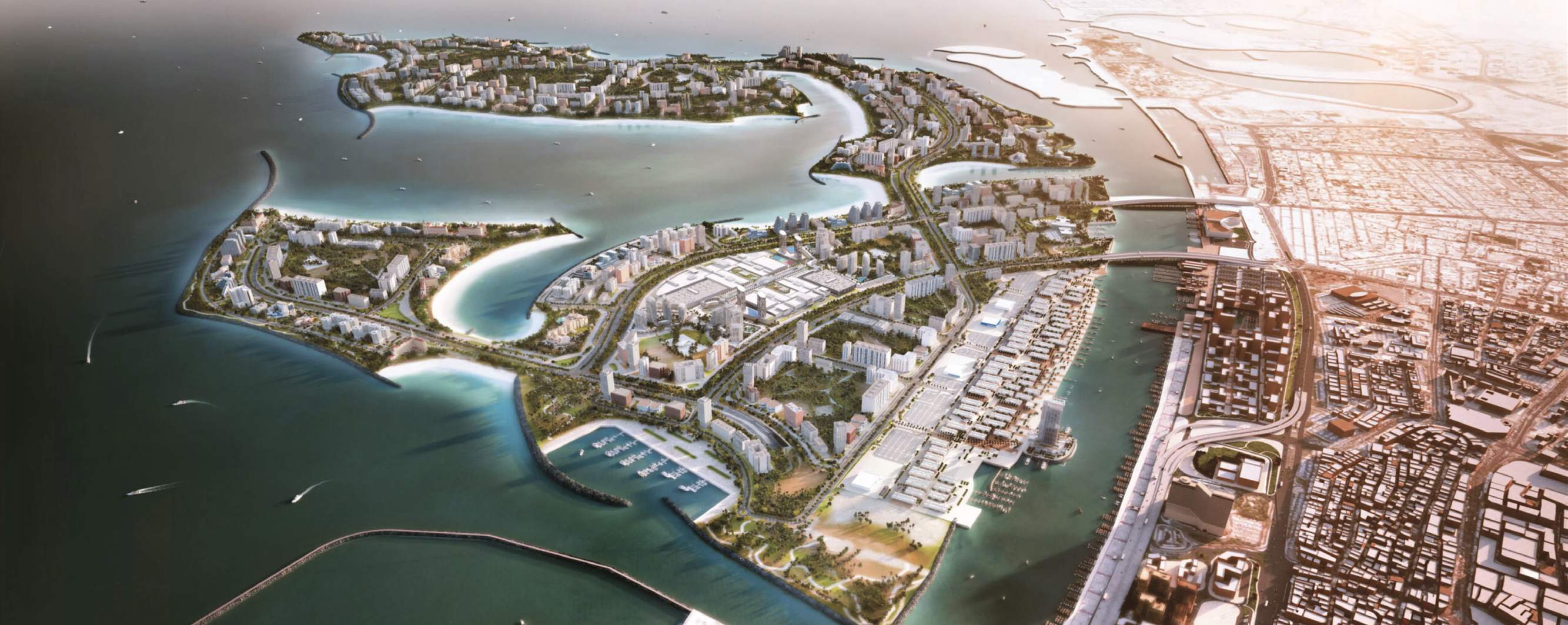
Developed by the famous Imtiaz Development | Located on the stunning Dubai Island | Beautiful Coastal Views with Unmatched Amenities
Dubai
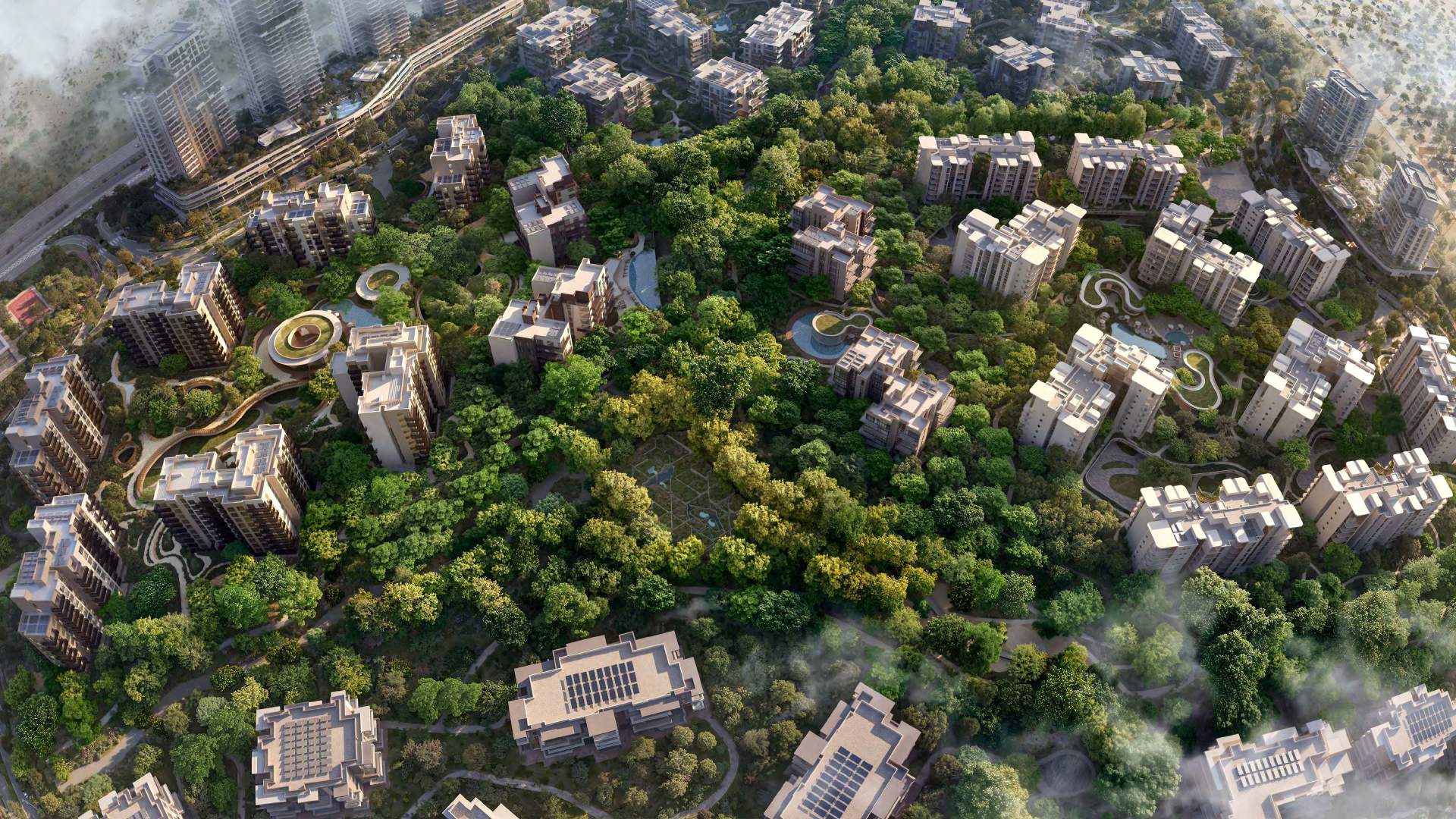
Developed by Majid Al Futtaim at Ghaf Woods | Featuring 1 to 3BR Forest Inspired Apartments | Starting Price is 1,500,000
Dubai
Keep reading
Market Trends
Discover the top 10 Dubai areas offering some of the highest estimated rental yields in Q3 2026, based on Bayut’s market report. From affordable investment options to luxury…
October 29, 2026 · 7 min read
Market Trends
Jumeirah Village Triangle (JVT) is known for its villa-oriented lifestyle, green spaces and residential appeal. Discover how Native Haus is introducing low-rise apartment living…
October 26, 2026 · 7 min read
Market Trends
Discover why commercial property in Dubai is attracting investors, from potential rental yields and long-term leases to growing demand for offices, warehouses and retail spaces.…
October 20, 2026 · 6 min read