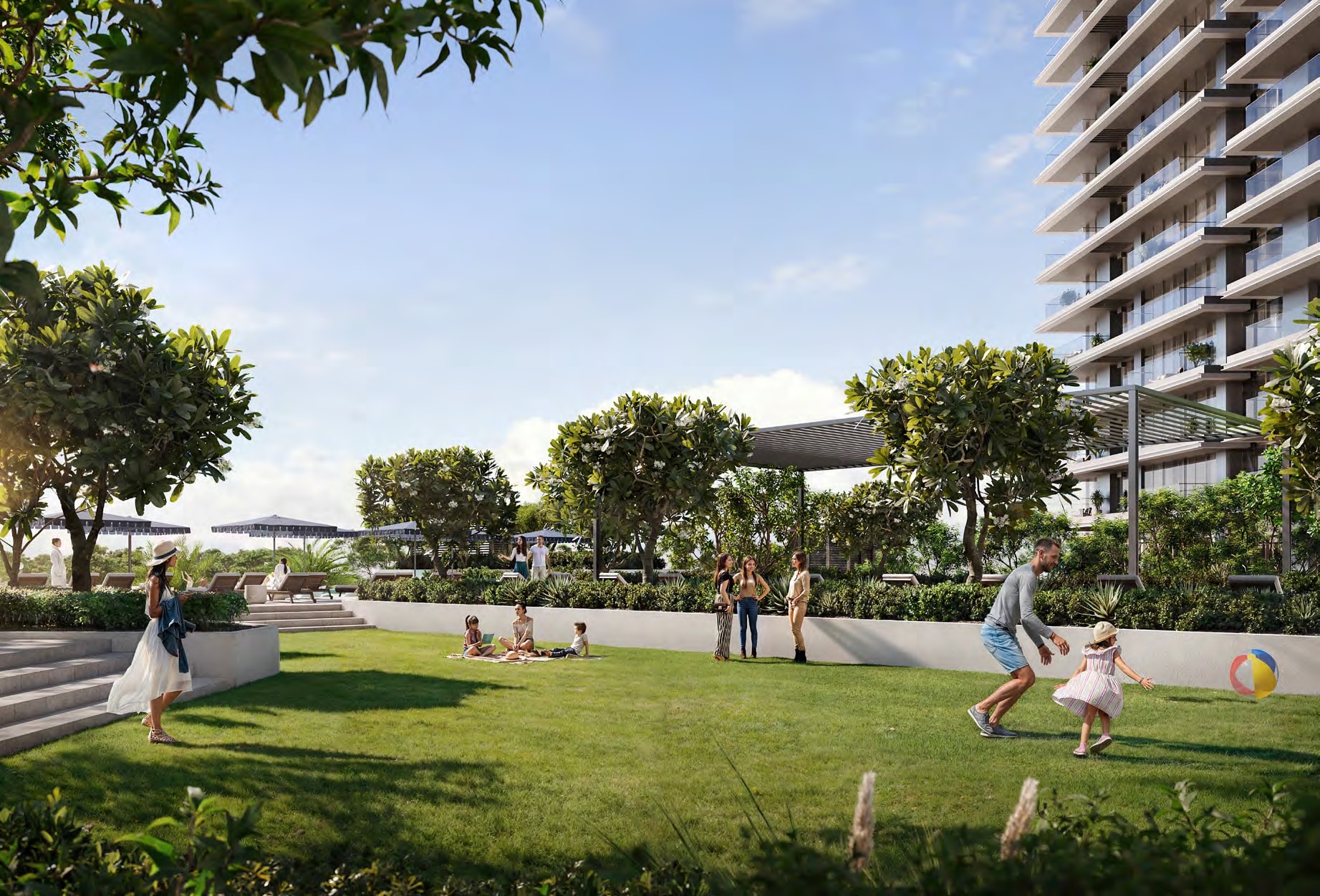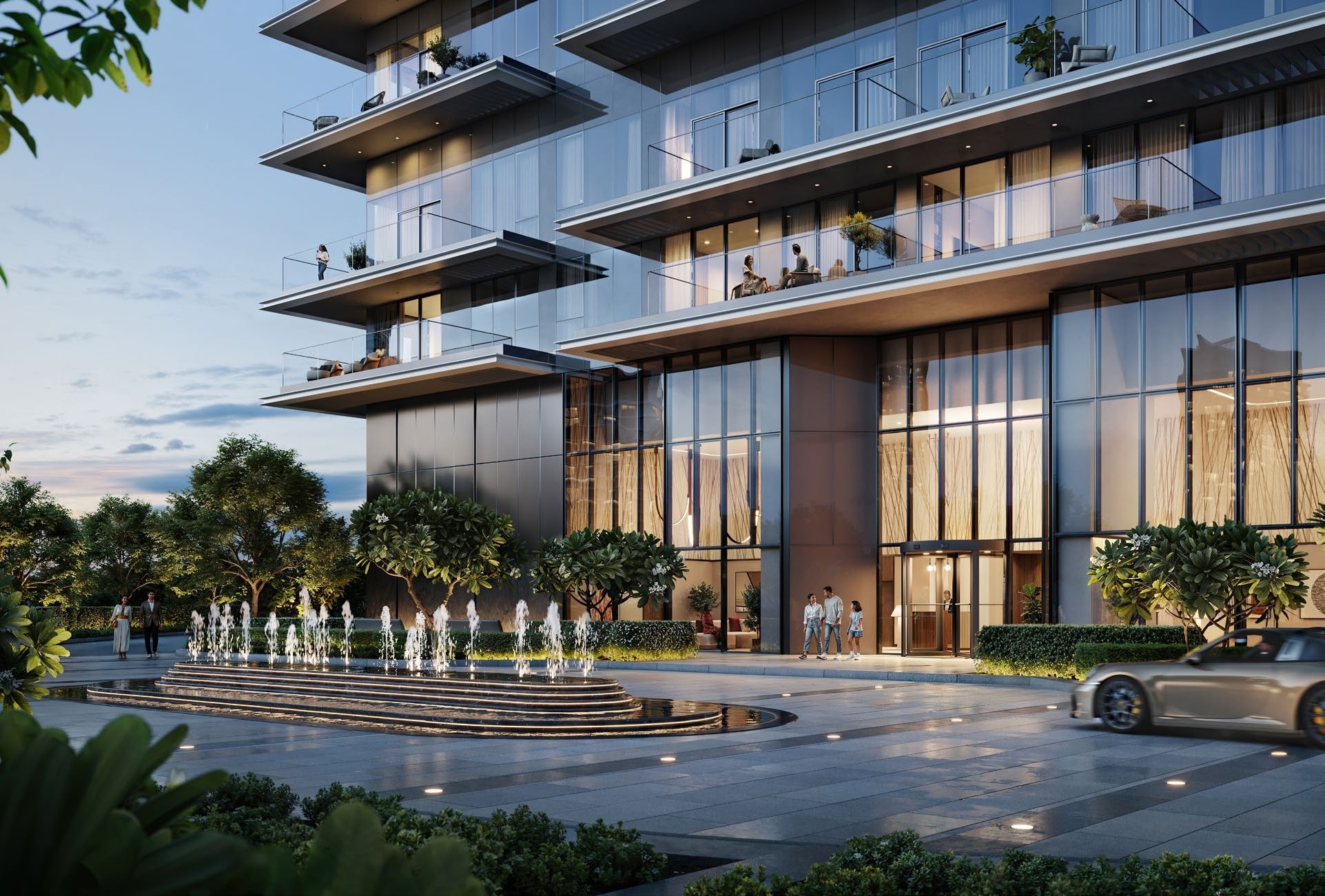
AED 1,820,000
Apartment
Albero at Dubai Creek Harbour
Dubai
1 – 3 BR

Market Trends
Mifrah Properties Team · October 20, 2026 · 6 min read
If you have ever wondered where Dubai's smart money is going, look at its offices, warehouses and shops. Commercial property in Dubai is attracting more investors every year, and for good reason: it can pay more than a typical apartment, and the tenants tend to stay longer.
In this guide, we will keep things simple. You will learn why commercial investment in Dubai works, where to look, what to watch out for, and how it stacks up against residential property.
Commercial real estate is any property used for business rather than for living. Think offices, shops, warehouses, showrooms, and hotel-style buildings. You buy it, rent it to a business, and collect rent. That is the whole idea.
This is the big one. Good commercial properties often earn around 7% to 11% a year in rent, while many apartments earn less. Your exact return depends on the area, the building and the price you pay, so always check current numbers with a licensed agent.
Thinking about buying in Dubai?
Talk to a Mifrah advisor for honest guidance on the right property, payment plan and community.
Most homes are rented for one year at a time. Businesses usually sign for 3 to 10 years. That means steady income, fewer empty months, and less time spent hunting for new tenants.
Dubai has no personal income tax and no yearly property tax, so you keep more of your rent. There are still a few costs to know about, like a one-time transfer fee when you buy (usually 4%) and 5% VAT on commercial rent. A tax adviser can help you plan.
Demand for modern, well-located offices and warehouses is often higher than supply. When good space is hard to find, rents tend to hold up or rise.
Buying property can help you qualify for a UAE residency visa, including the Golden Visa, if your investment meets the minimum value. Rules change from time to time, so check the latest requirements first.
Thinking about buying in Dubai?
Talk to a Mifrah advisor for honest guidance on the right property, payment plan and community.
Dubai sits between Europe, Asia and Africa. It has a huge airport, a major port and business-friendly rules. Companies from all over the world want to set up here, and they all need space.
In approved areas, foreign investors can own commercial property outright. You do not need a local partner, and your ownership is officially registered with the Dubai Land Department.
Where you buy matters as much as what you buy. These are the popular choices.
DIFC is Dubai's financial centre, home to banks, law firms and big companies. Rents are high, and so is the prestige. Business Bay is right next to Downtown Dubai and costs less, which makes it popular with growing businesses.
These two areas are all about trade and logistics. Jebel Ali Free Zone sits beside one of the world's busiest ports. Dubai South is next to Al Maktoum Airport and is growing fast, which is great for warehouses and e-commerce.
JLT is a friendly choice if you want a lower price to get started. It has plenty of offices and shops, good Metro access, and a steady flow of small and mid-sized businesses.
This is the question we hear most. The honest answer is that it depends on your budget, goals and comfort with risk. Here is a quick side-by-side look at commercial property investment vs residential.
Best for:
Rent return:
Lease length:
Money needed upfront:
Getting a loan:
Finding a tenant or buyer:
Empty periods:
VAT:
Every investment has risks, and it is better to know them early.
With strong rental income, long leases, tax-friendly rules and full foreign ownership, commercial property in Dubai is worth a serious look. The key is to choose the right area, understand the costs, and be realistic about risks.
Ready to explore commercial property for sale in Dubai, or compare commercial property in Dubai for rent? Talk to a trusted local property adviser who can match you with the right deal.
Is commercial property in Dubai a good investment?
Yes, for many investors. It can pay around 7% to 11% a year with longer leases, but returns depend on the location and tenant.
Can foreigners buy commercial property in Dubai?
Yes. Foreigners can buy and fully own commercial property in approved areas and free zones.
Which areas are best for commercial investment in Dubai?
DIFC, Business Bay, JLT, Jebel Ali Free Zone and Dubai South are the most popular.
Is commercial or residential property better?
Residential is easier to finance and sell. Commercial usually pays more but needs more money and carries more risk.
This article is for general information only and is not financial or legal advice. Rules and figures change, so check with licensed professionals before you invest.
Properties featured in this article
Keep reading
Market Trends
Jumeirah Village Triangle (JVT) is known for its villa-oriented lifestyle, green spaces and residential appeal. Discover how Native Haus is introducing low-rise apartment living…
October 26, 2026 · 7 min read
Market Trends
Planning of buying a property in Dubai from UK? Discover the truth behind common property-buying myths, from foreign ownership and taxes to rental income, additional costs and…
October 19, 2026 · 11 min read
Market Trends
Discover why studio apartments in Dubai Maritime City are attracting attention and how Shahrukhz Residences by Danube is creating more options for buyers seeking waterfront living.
October 16, 2026 · 5 min read