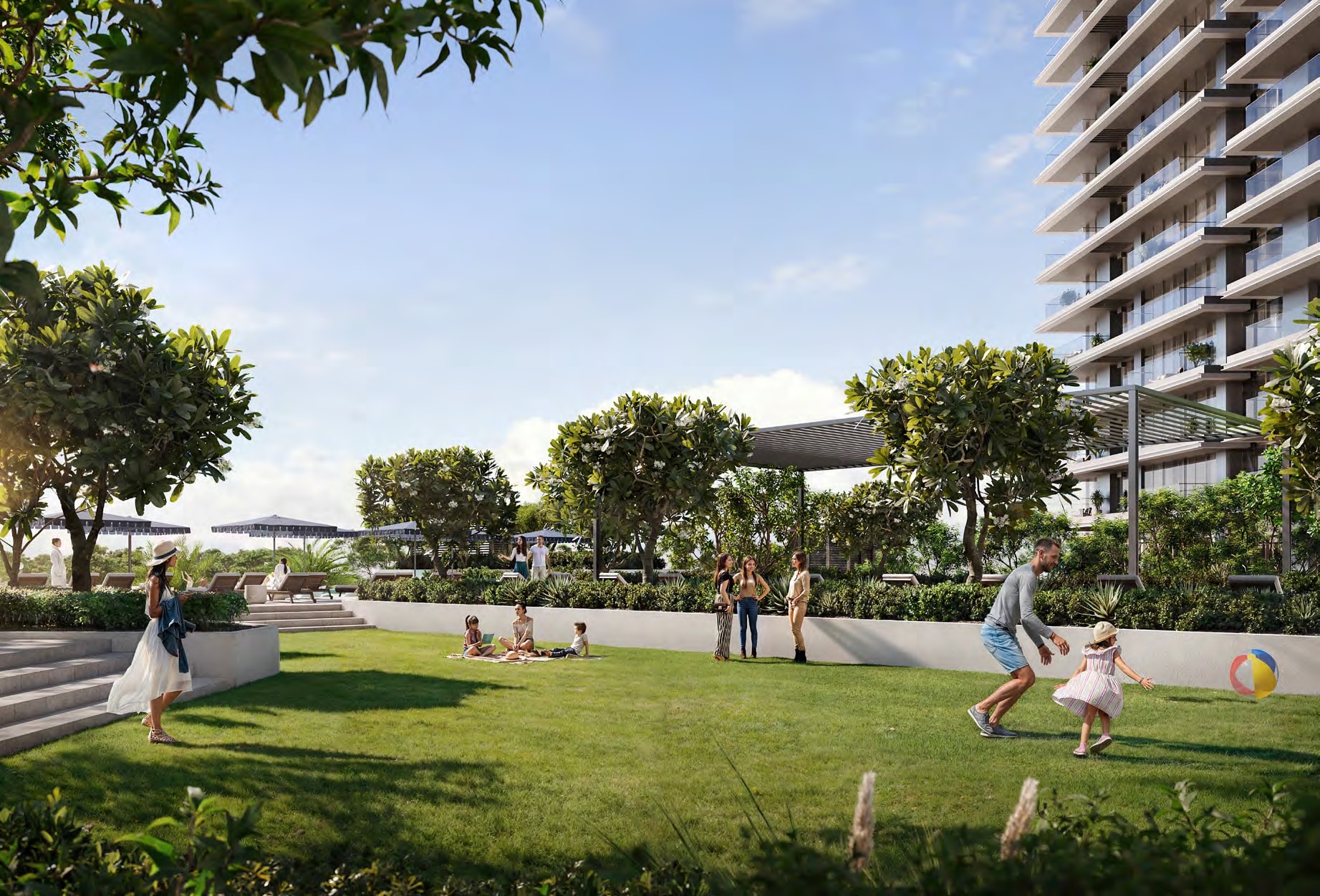
AED 1,813,888
1 to 3BR Apartments and 3BR Townhouses | Located beautifully in the Heart of Dubai Creek Harbour | Developed by Emaar Properties
Altan by Emaar at Dubai Creek Harbour
Dubai

Market Trends
Mifrah Properties Team · November 4, 2026 · 9 min read
What the 2029 metro expansion means for commuters, residents and property investors
Dubai is about to get its third metro line. The Blue Line, a 30 km AED 20.5 billion project from the Roads and Transport Authority (RTA), will link the Red Line and Green Line and open up some of the city's fastest-growing communities, from Mirdif and International City to Dubai Creek Harbour and Academic City. The opening date is set for 9 September 2029, and construction is already well advanced.
At MIFRAH Properties, we track infrastructure closely because transport is one of the strongest drivers of property demand. Here is everything you need to know: the route, the stations, the timeline and what it could mean for your next property decision.
The groundbreaking took place in June 2025. By late 2025 the RTA reported roughly 10% completion, and in May 2026 Sheikh Mohammed bin Rashid launched the main tunnelling works with the tunnel boring machine named Al Wugeisha. Construction is now around 25% complete, with the RTA targeting 30% by the end of 2026 and reporting that the project is on schedule.
This route starts at the Creek Station, where it connects with the Green Line near Al Jaddaf. It then crosses Dubai Creek on a landmark metro bridge of about 1,300 metres and continues through:
This route starts at Centrepoint Station in Al Rashidiya, where it connects with the Red Line. It runs through Mirdif and Al Warqa before merging with Route 1 at International City.
Travel times quoted for the line include about 25 minutes between Creek and Academic City, and about 17 minutes between Centrepoint and Academic City.
Al Jaddaf / Creek Station
Interchange with the Green Line and the gateway to the eastern corridor
Dubai Festival City
Retail, dining and waterfront living brought into the metro network
Dubai Creek Harbour
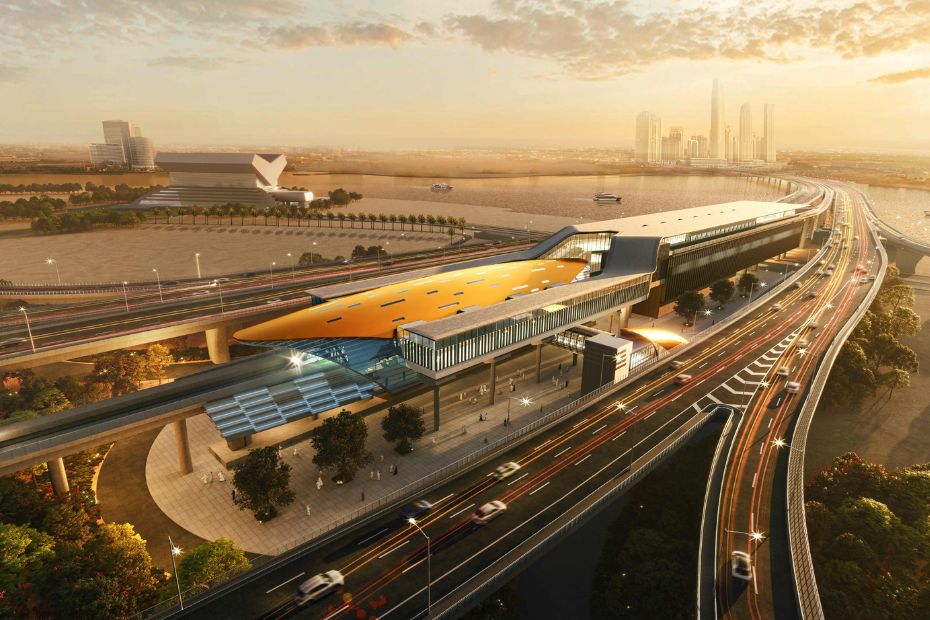
Home to the flagship Emaar Properties Station, an iconic 74-metre-high design planned as an architectural landmark
Ras Al Khor
Industrial and commercial zone gaining rail connectivity
International City
Becomes a major hub with an underground interchange station
Dubai Silicon Oasis
Direct rail link for the tech and residential community
Academic City
First time Dubai's university cluster is linked to the metro
Mirdif
Established family suburb moving away from car dependence
Al Warqa
Residential community gaining a long-awaited metro connection
Al Rashidiya / Centrepoint
Interchange with the Red Line
About the airport: Dubai International Airport (DXB) is reached through the existing Red Line and the Blue Line's Red Line interchange at Centrepoint, which makes airport trips from the eastern communities far simpler. Some reports describe the Blue Line as directly connecting the airport with surrounding areas, so we recommend checking the RTA's official map for the exact station layout before you quote journey times.
These interchanges are what turn the Blue Line from a standalone line into part of a fully integrated network.
The station at Dubai Creek Harbour is the headline structure of the project. Designed by the architects behind Burj Khalifa, it covers about 11,000 square metres and rises to around 74 metres, which is expected to make it one of the highest metro stations in the world. It is designed to be a tourist attraction in its own right and a centrepiece of the Creek Harbour waterfront.
The RTA chief has said land values near future metro stations could rise by 15% to 30%, while market analysts point to potential gains of 15% to 35% in car-dependent communities along the route. These are projections, not guarantees, but the direction is clear.
International City: +20% to +35%
Moves from road-dependent and affordable to a major interchange hub
Dubai Creek Harbour: +15% to +25%
Premium location with the landmark station
Academic City: +25% to +35%
Strong rental demand from students, faculty and young professionals
Dubai Silicon Oasis: +15% to +25%
Supports rental yields (forecast 6% to 7.5%) for professionals commuting to Downtown and beyond
Mirdif and Al Warqa: Moderate appreciation
Family suburbs gain a wider tenant pool
Market reports also suggest that metro-connected corridors held up better than non-metro areas when transaction volumes cooled earlier in 2026, supporting the idea of an "infrastructure tailwind".
The RTA has said it expects to issue the tender for the next project, the Gold Line, by the end of 2026. Together, the Blue and Gold Lines are expected to reshape connectivity and property demand in Dubai through 2040.
The Blue Line will change how eastern Dubai moves, and it is likely to change how those communities are valued. Whether you are buying to live, to rent out or to hold for the long term, understanding which stations serve which areas can help you spot opportunities early.
Thinking about a property near the Blue Line? Contact the MIFRAH Properties team for a personalised consultation on communities, prices and investment potential.
When will the Dubai Metro Blue Line open? The RTA has set the opening date for 9 September 2029. Construction is around 25% complete, with a target of 30% by the end of 2026.
How long is the Blue Line and how many stations will it have? The line is 30 km long with 14 new stations: 9 elevated and 5 underground. It will bring the Dubai Metro network to 78 stations.
Which areas will the Blue Line serve? Al Jaddaf and Creek, Dubai Festival City, Dubai Creek Harbour, Ras Al Khor, International City, Dubai Silicon Oasis, Academic City, Mirdif, Al Warqa and Al Rashidiya (Centrepoint).
Where will the Blue Line connect to the Red and Green Lines? It connects to the Green Line at Creek Station and to the Red Line at Centrepoint Station in Al Rashidiya. International City is the interchange where the line's two routes meet.
How much will the Blue Line cost? The project cost is estimated at AED 20.5 billion. The RTA projects around AED 56.5 billion in economic benefits by 2040.
How many passengers will the Blue Line carry? It is designed for around 320,000 passengers per day by 2040.
Will the Blue Line increase property prices? The RTA chief has said land values near future stations could rise by 15% to 30%, and market analysts estimate gains of 15% to 35% in some communities. These are projections, and results depend on walking distance to the station, building quality and market conditions.
Which communities could benefit most from the Blue Line? Analysts point to International City, Academic City, Dubai Creek Harbour and Dubai Silicon Oasis, because they gain a first or much improved rail connection.
Is it a good time to buy property near the Blue Line? Prices often move ahead of opening day, so many investors look at stations early. Focus on properties within a 15-minute walk of a station, compare net yields and speak to an advisor before deciding.
What is the Emaar Properties Station? It is the flagship station at Dubai Creek Harbour, covering about 11,000 square metres and rising to around 74 metres. It is designed as an architectural landmark.
Properties featured in this article
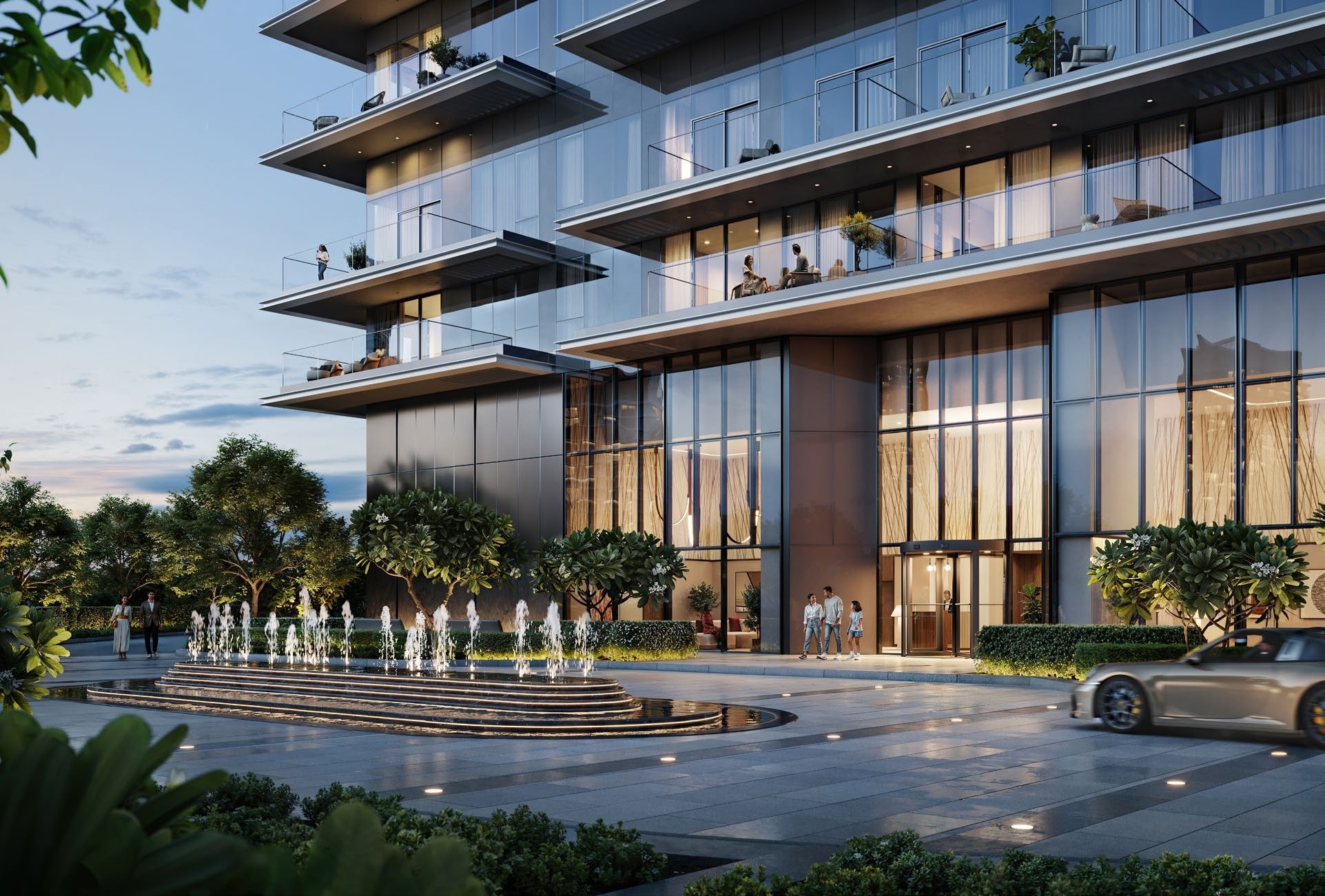
1 to 3BR Apartments and 3BR Townhouses | Located beautifully in the Heart of Dubai Creek Harbour | Developed by Emaar Properties
Dubai
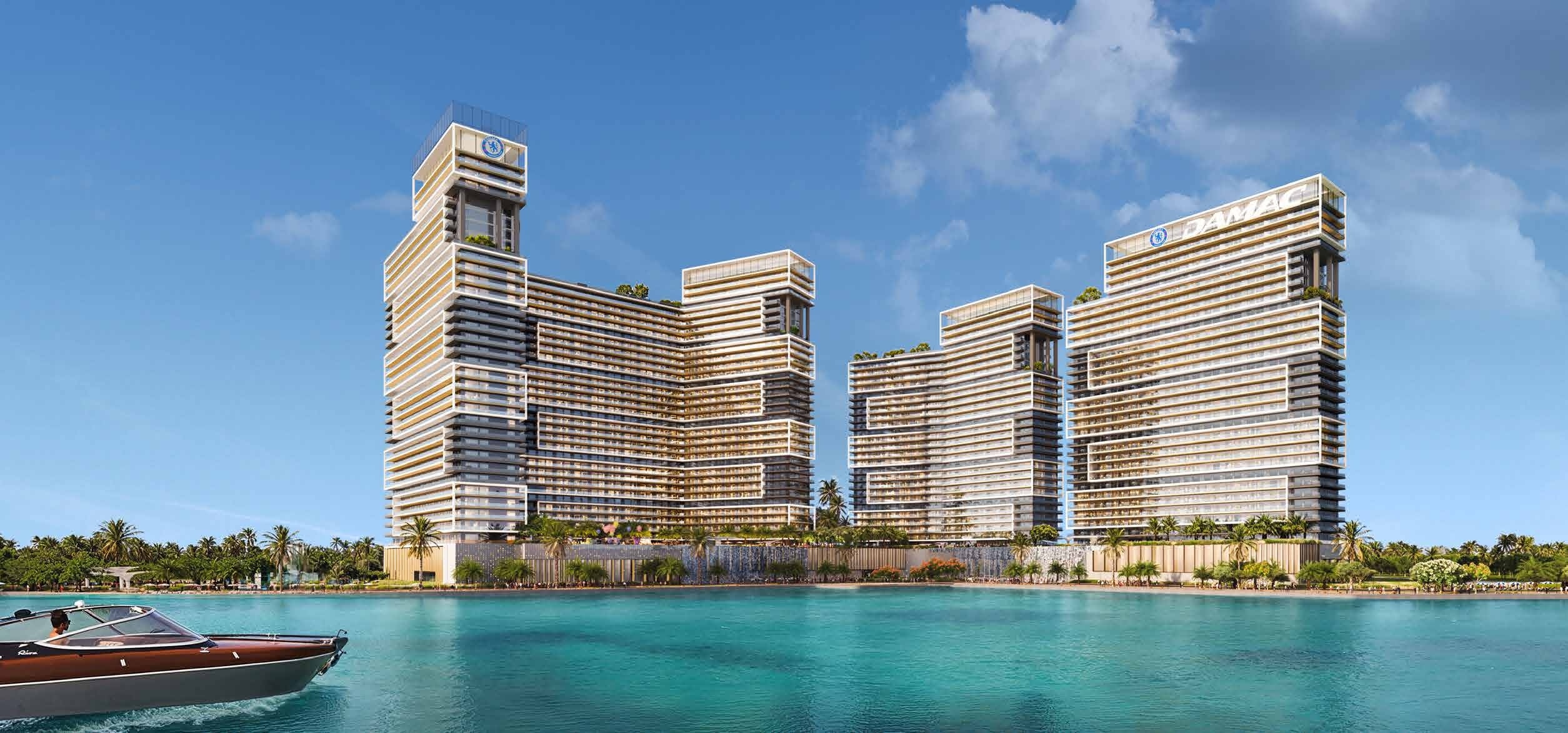
Developed by Damac Properties | Dubai’s first-ever football-themed residences | 1 to 3 Bedroom Seafront Apartments
Dubai Maritime City, Dubai
Apartment
Dubai
1 – 3 BR
Keep reading
Market Trends
Moving to Dubai or investing from abroad? This guide explains how to open a UAE bank account, from documents and salary requirements to digital banks and non-resident options.
November 4, 2026 · 13 min read
Market Trends
A complete guide to Dubai South properties, rental yields, prices, developers and the long-term development plan shaping the district through 2027 and beyond.
November 2, 2026 · 11 min read
Market Trends
Discover the top 10 Dubai areas offering some of the highest estimated rental yields in Q3 2026, based on Bayut’s market report. From affordable investment options to luxury…
October 29, 2026 · 7 min read