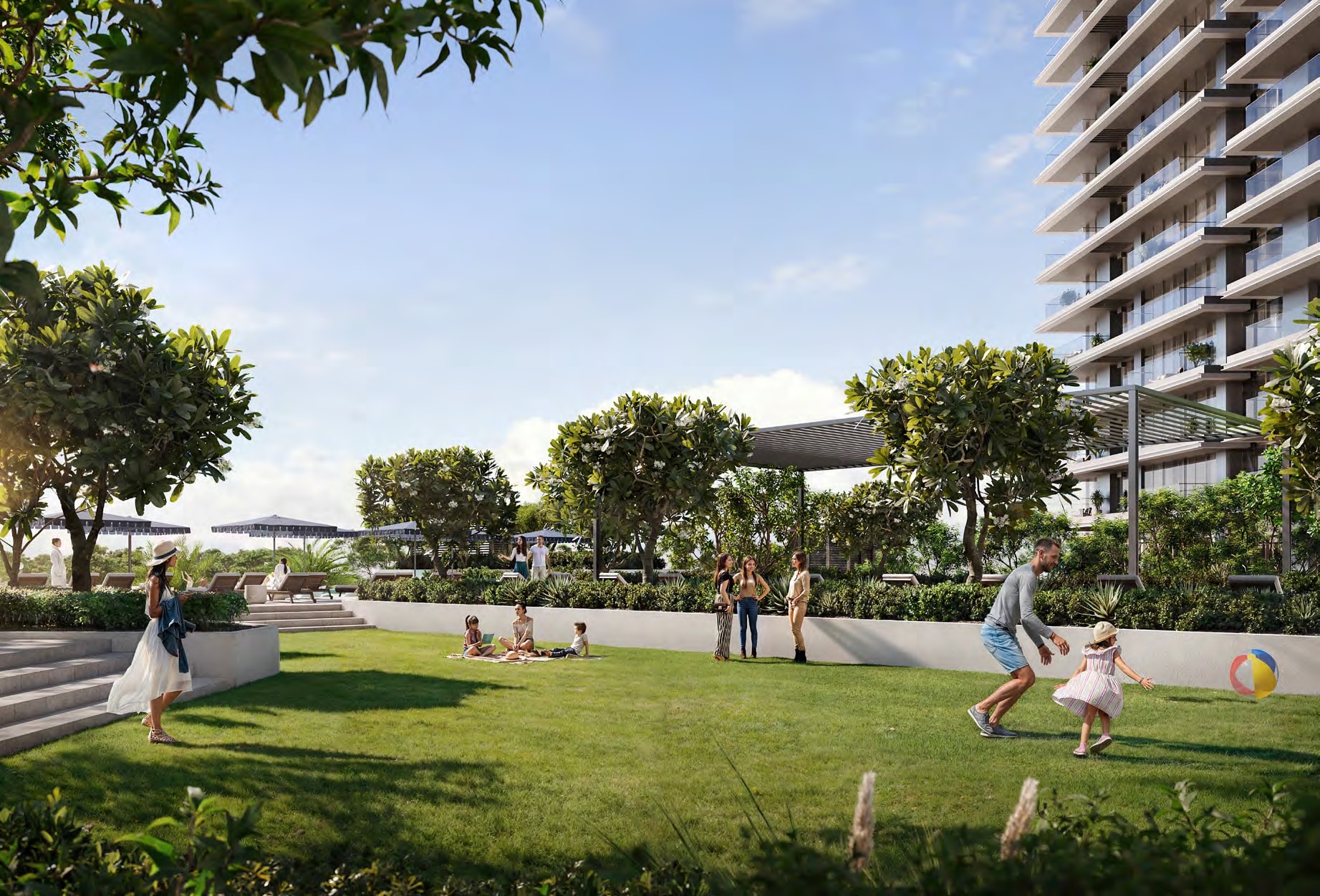
AED 1,813,888
1 to 3BR Apartments and 3BR Townhouses | Located beautifully in the Heart of Dubai Creek Harbour | Developed by Emaar Properties
Altan by Emaar at Dubai Creek Harbour
Dubai

Market Trends
Mifrah Properties Team · November 4, 2026 · 13 min read
A practical guide to documents, salary requirements, account types, fees and the best options for newcomers, investors and visitors
Opening a bank account is one of the first things you will need to do after moving to Dubai, and it is also one of the most confusing. Requirements differ from bank to bank, some accounts need a minimum salary, others need a minimum balance, and the rules for non-residents are quite different from those for residents.
At MIFRAH Properties we help residents, expats and overseas investors settle into Dubai every day, and banking is almost always one of the first questions we hear. Whether you have just landed on a work visa, you are buying a property from abroad, or you simply want to understand your options before you arrive, this guide explains everything in plain language.
A local bank account makes daily life in Dubai far easier. It lets you receive your salary, pay rent and utility bills, set up your internet and DEWA accounts, and use a debit card for everyday spending. If you plan to rent or buy a home, a UAE account is also useful for paying rent cheques, security deposits, service charges and, for buyers, property transaction costs and mortgage instalments.
For non-residents and overseas investors, a UAE account can simplify rental income collection, property-related payments and currency management.
The UAE banking market offers something for almost every profile.
Traditional banks. Emirates NBD, Abu Dhabi Commercial Bank (ADCB), First Abu Dhabi Bank (FAB), Mashreq and RAKBANK offer full retail banking, from everyday current accounts to savings plans, credit cards and loans. Emirates NBD is one of the largest and best-established banks in the country and has a wide branch and ATM network.
Islamic banks. Dubai Islamic Bank, Emirates Islamic and Abu Dhabi Islamic Bank (ADIB) provide Sharia-compliant current accounts, savings products and finance.
Digital and neo-banks. Liv by Emirates NBD, Mashreq Neo, ruya Bank, Weo Bank and Al Maryah Community Bank offer fast, app-based onboarding, usually with low or zero minimum balance requirements. These are popular with younger professionals, freelancers and anyone who prefers to bank from their phone.
If you live in Dubai and hold a valid residence visa, you have the widest choice of accounts. Most banks will open a full current or savings account for you once you meet their basic criteria.
You must usually be at least 18 years old and hold a valid UAE residence visa, such as an employment visa, investor visa or Golden Visa.
The exact list varies, but most banks ask for the following:
Many banks now allow you to start the application online and finish it with your Emirates ID or UAE PASS, which can cut the process down to a few minutes.
A current account is designed for day-to-day use: receiving your salary, paying bills, issuing rent cheques and using a debit card. Most current accounts pay little or no interest. Many banks require either a salary transfer or a minimum average balance so that you avoid monthly fees.
A savings account is meant to grow your money, paying interest or, with Islamic banks, a profit rate. Some digital savings accounts advertise higher rates than traditional accounts, but rates change often, so always check the current figure with the bank.
This is a current account linked to your employer's payroll. Banks often waive the minimum balance requirement, and sometimes reward you with benefits such as a credit card, free transfers or cashback, as long as your salary is credited every month.
A joint account lets two people share an account. Banks generally require both holders to be UAE residents with valid visas.
The minimum salary needed to open an account depends on the bank and the product. As a general guide, many standard current and salary accounts require a monthly salary somewhere between AED 3,000 and AED 5,000, and some premium or non-salaried products ask for more.
Here is a general picture of what residents commonly see:
These figures are indicative and change from time to time, so always confirm with the bank before you apply.
Most traditional banks expect you to keep an average monthly balance of around AED 3,000, although some accounts ask for AED 5,000 or more. If your balance drops below the required level and you are not transferring a qualifying salary, a monthly fall-below fee applies. At the major banks this fee is commonly around AED 25 to AED 26, and some banks charge considerably more. It may sound small, but it adds up to several hundred dirhams a year.
Before you open any account, ask about:
If you do not meet the salary requirement, or you simply want to avoid minimum balance fees, digital and zero-balance options are worth considering. Examples include:
Digital accounts are usually faster to open and easier to manage, though some customers still prefer a traditional bank for its branch network, chequebooks and wider range of services such as mortgages.
This is where many people get confused. In general, non-residents have fewer options than residents.
Most banks limit non-residents to savings accounts, because current accounts generally require a residence visa and Emirates ID. Non-resident accounts also tend to come with higher minimum balance requirements and a more detailed application review than resident accounts.
Documents vary, but non-residents are commonly asked for:
Some banks may ask for documents to be attested or for you to visit a branch in person, so check the process before you travel.
Non-resident minimums vary widely. Depending on the bank and account, they can start from a few thousand dirhams for some savings products and run to AED 15,000, AED 25,000, AED 50,000 or more for others. Premium and private banking tiers are generally built around residents, so they may not be available to non-residents at all.
Visitors who are physically in the UAE with a valid passport and tourist visa may be able to open a digital account in minutes through the ADCB mobile app, with an instant debit card linked to the length of their stay. Availability and conditions can change, so confirm with the bank.
If you later obtain a residence visa and Emirates ID, many banks allow you to upgrade a non-resident account to a full resident account. Ask about this when you open it.
Because MIFRAH Properties works in real estate, we want to highlight how banking connects to a property purchase or rental:
If you are planning a purchase, speak to us before you start your account application so we can point you in the right direction.
Can I open a bank account in Dubai without a residence visa? In most cases, only a limited non-resident account is possible, usually a savings account. Full current accounts generally require a residence visa and Emirates ID.
Can non-residents open a UAE bank account online? Some banks allow parts of the process online, but many non-resident accounts still need structured document reviews or a branch visit. Digital accounts that use UAE PASS and Emirates ID are generally for residents.
What is the minimum salary to open a bank account in Dubai? It depends on the bank and account, but many standard accounts ask for roughly AED 3,000 to AED 5,000 per month. Digital and zero-balance options may have no minimum.
Is there a zero-balance account in the UAE? Yes. Options such as Liv, ruya Bank, FAB iSave and Mashreq Neo-style digital accounts are designed with low or no minimum balance requirements, though eligibility rules still apply.
How long does it take to open an account? Digital accounts can take only minutes. Traditional bank accounts may take from a day to a few working days, depending on the documents and any verification checks.
Can I open an account while my Emirates ID is still being processed? Some banks accept the Emirates ID application receipt along with your visa, but practice varies, so ask your bank.
Which is the best bank for expats in Dubai? There is no single best answer. Emirates NBD and ADCB are popular for their branch networks, while Mashreq Neo and Liv are favoured for digital banking. Choose based on your salary, lifestyle and needs.
Can I open a joint account? Yes, usually if both holders are UAE residents with valid visas.
What happens if I fall below the minimum balance? You will normally be charged a monthly fall-below fee unless your salary is credited to the account.
Can I open an account if I am a tourist? Some banks offer short-term digital accounts for visitors, such as ADCB's instant tourist account, but these depend on being physically in the UAE and on current bank policy.
Banking in Dubai is straightforward once you know what to expect. Residents have plenty of choice, from traditional banks to app-based neo-banks, while non-residents can still access savings accounts and other options with the right documents and balance. The key is to compare your options, read the fee details and confirm requirements directly with the bank before you apply.
Moving to Dubai or investing in property? The team at MIFRAH Properties can guide you through every step, from choosing the right community to understanding the paperwork around your purchase or rental. Get in touch today for a personalised consultation.
Disclaimer: Bank policies, salary requirements, minimum balances and fees change frequently. The figures in this article are indicative and based on publicly available information. Always verify current requirements directly with the bank. This article is for information only and is not financial advice.
Properties featured in this article
1 to 3BR Apartments and 3BR Townhouses | Located beautifully in the Heart of Dubai Creek Harbour | Developed by Emaar Properties
Dubai
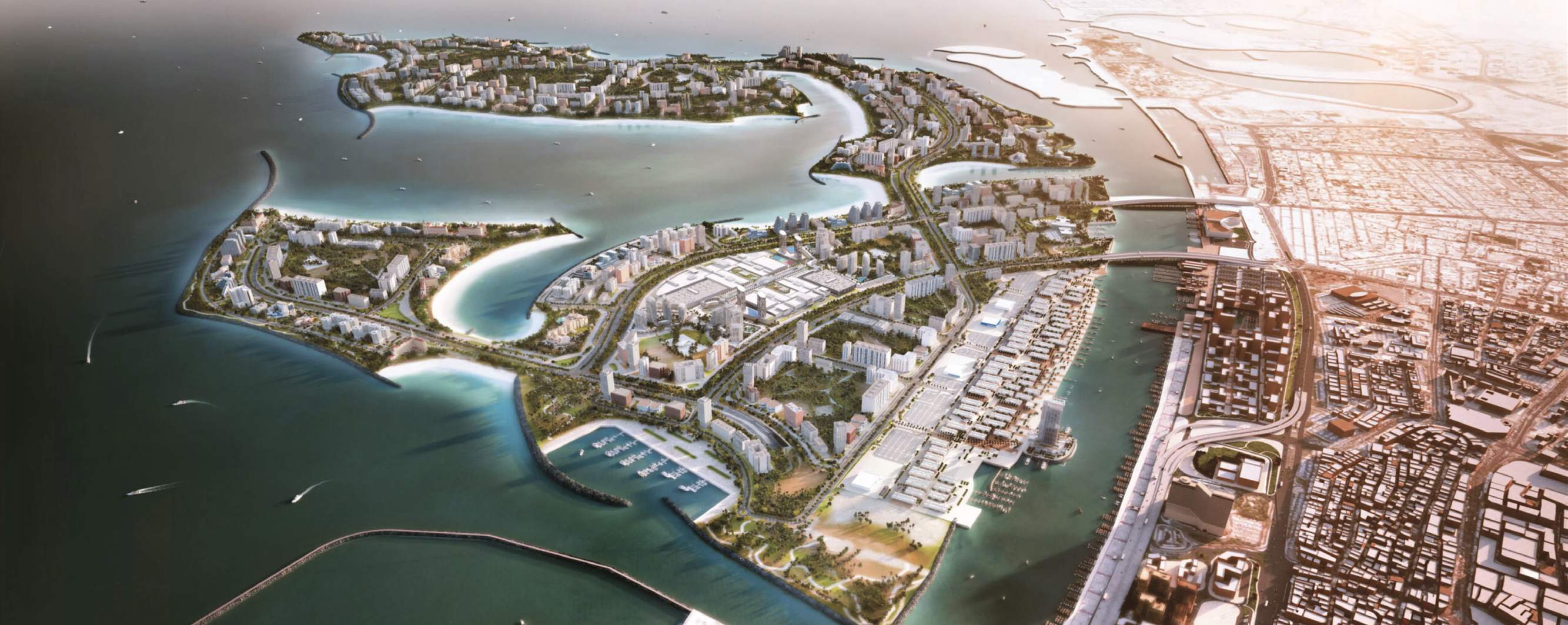
Developed by the famous Imtiaz Development | Located on the stunning Dubai Island | Beautiful Coastal Views with Unmatched Amenities
Dubai
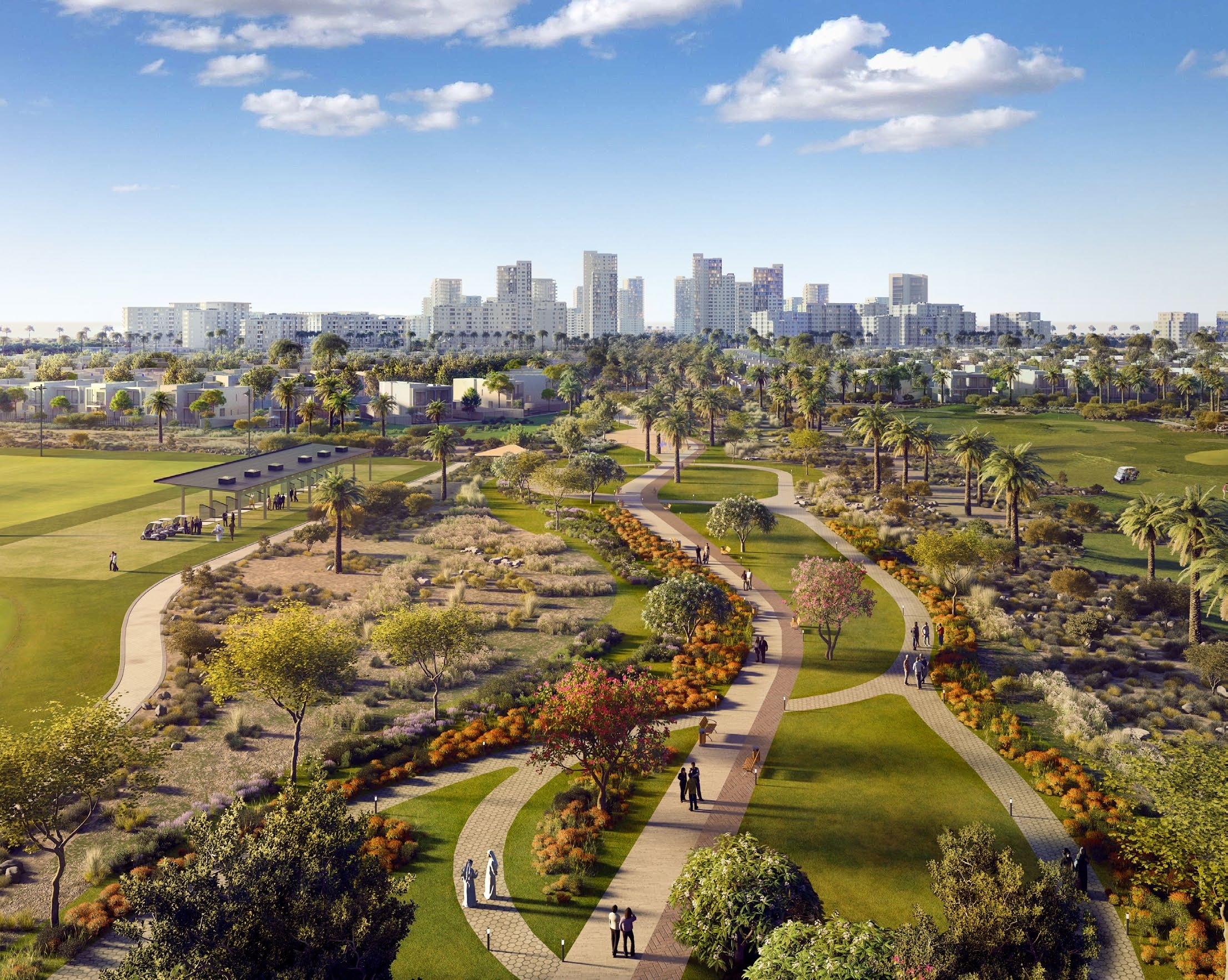
Presenting 1 to 3BR apartments & 3BR Townhouses | Payment Plan: 80/20 | Pay Just 10% Downpayment Now
Dubai
Keep reading

Market Trends
Dubai’s 30 km Metro Blue Line will add 14 stations and link Mirdif, International City, Dubai Creek Harbour and Academic City to the Red and Green Lines by September 2029. See the…
November 4, 2026 · 9 min read
Market Trends
A complete guide to Dubai South properties, rental yields, prices, developers and the long-term development plan shaping the district through 2027 and beyond.
November 2, 2026 · 11 min read
Market Trends
Discover the top 10 Dubai areas offering some of the highest estimated rental yields in Q3 2026, based on Bayut’s market report. From affordable investment options to luxury…
October 29, 2026 · 7 min read