AED 1,650,000
Studios, 1 to 3BR apartments | Starting Price: AED 1.65M | 40+ lifestyle amenities
Shahrukhz Residences at Maritime City
Dubai
1 – 3 BR

Real Estate News
Mifrah Properties Team · October 28, 2026 · 8 min read
Sharing a flat in Dubai has long been the smart way to live in one of the world’s most expensive cities. But the rules have changed. Dubai Law No. 4 of 2026 Regulating Shared Housing is the new framework that decides who can rent out shared space, how many people can live in it, and what happens to those who break the rules.
Whether you are a landlord, a tenant, a roommate or a property manager, this guide to the Dubai shared housing law 2026 explains what you need to know, in plain English.
The Dubai shared housing law regulates how shared accommodation is managed and occupied across the emirate. Its stated aims are to improve living standards, protect the rights of both tenants and landlords, and put an end to unauthorised overcrowding.
In practice, it replaces the informal “room in a villa” and “bed space” market with a licensed, registered and inspected system.
Three bodies share responsibility under the Dubai shared housing regulations 2026:
Only property owners or DLD-licensed real estate management companies can legally manage shared housing units. Owners who do not manage the property themselves must hire a DLD-licensed company.
If you are a tenant on a main lease, you cannot sublet rooms or bed spaces, and you cannot build temporary partitions to create extra rooms. This is one of the biggest changes for tenants who used to cover rent by subletting.
A shared unit or villa must be designated for one category of resident only: either families or single individuals. The two cannot live together in the same unit. The rule applies to units, villas and entire buildings.
The law sets clear living standards:
All shared housing tenancy contracts and resident details must be recorded in the Shared Housing Register managed by the DLD. Individual residents should make sure their details appear on it.
By default, rent is payable monthly in advance, and DEWA (electricity and water) is included unless the contract says otherwise.
If you want to offer shared accommodation, a Dubai shared housing permit from Dubai Municipality is mandatory before you start. Here is how the process fits together:
Tip: Exact forms, fees and documents can change, so confirm the current requirements directly with Dubai Municipality and the DLD before you apply.
This is one of the most searched questions, so here is what is clear and what is not.
The law applies across the whole emirate, including special development zones and free zones such as DIFC. So the question is less about which neighbourhoods are “allowed” and more about whether a specific property holds a valid permit and meets the standards.
The source material for this guide does not publish a list of named approved neighbourhoods. Before you rent or list a unit, check that the property:
We will update this section if an official list of Dubai shared housing areas is published.
Breaking the rules can be expensive. The Dubai shared housing regulations fines are:
First violation: AED 500 to AED 500,000
Repeat violation within one year: Fines can double, up to AED 1 million
Administrative action: Suspension of shared housing activity for up to 6 months
Further action: Revocation of commercial licences, disconnection of public utilities, or eviction orders for non-compliant units
The regulation does not apply to:
Get your permit, use a DLD-licensed manager if you are not managing yourself, and decide whether the property will serve families or singles. Plan to be compliant well before the deadline.
Do not sublet rooms or bed spaces and do not add partitions. If you are letting out space informally, this is the time to stop.
Check that your home meets the space standards, that it does not mix families and singles, and that your details are on the register.
You need specific DLD licensing and must register every tenancy contract through official digital channels.
Existing shared housing providers have until September 8, 2027 to regularise their status and meet the new standards. With that date less than a year away, now is the time to audit your property and begin the permit process.
It is Dubai Law No. 4 of 2026, the legislation that regulates the management and occupancy of shared housing across Dubai, including free zones.
No. Tenants on a main lease are strictly prohibited from subletting rooms or bed spaces, or installing temporary partitions.
At least 5 square metres of bedroom space and 1 square metre of kitchen space per resident.
No. A unit, villa or building must be designated for either families or individuals.
Fines range from AED 500 to AED 500,000, and repeat offences within a year can reach AED 1 million. Authorities can also suspend activity for up to 6 months, cut utilities or order evictions.
The Rental Disputes Center (RDC) has exclusive jurisdiction over financial and contractual disputes.
By September 8, 2027.
The Dubai shared housing law raises the bar for safety, fairness and transparency. For landlords and operators, it means licensing and registration. For tenants, it means safer, more regulated homes, even if informal subletting is no longer an option. Check your property, get your paperwork in order and stay informed as official guidance develops.
Disclaimer: This article is for general information and is not legal advice. Confirm current requirements with Dubai Municipality, the Dubai Land Department and official Dubai government sources.
Properties featured in this article
Studios, 1 to 3BR apartments | Starting Price: AED 1.65M | 40+ lifestyle amenities
Dubai
1 – 3 BR
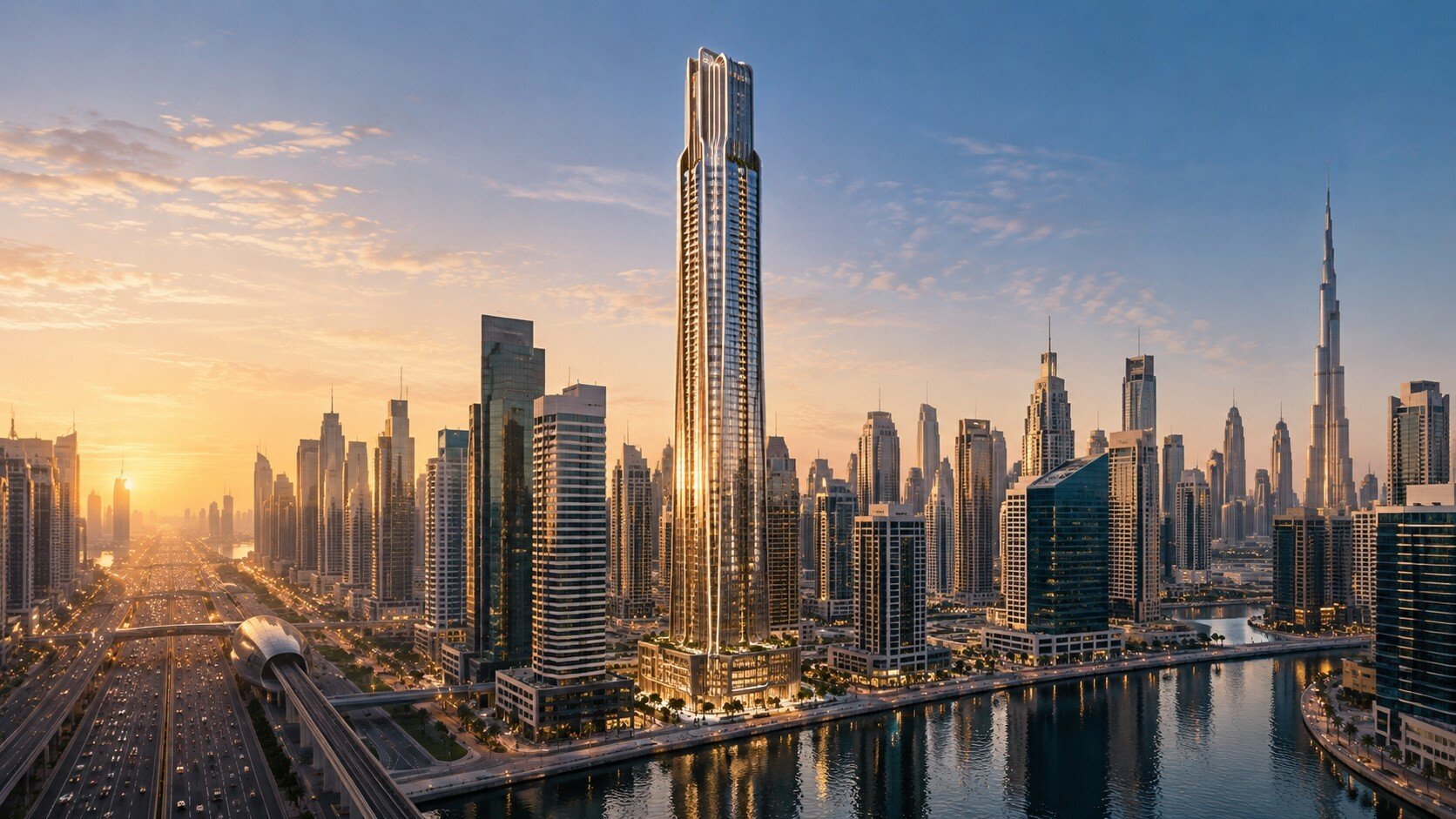
Ellington Properties’ first Grade A office tower | G+66 storeys beside Sheikh Zayed Road | Offices from 2,750 to 12,000 sq ft
Business Bay, Berkeley Tower by Ellington, Dubai
Keep reading
Real Estate News
Dubai, even in 2026, has proven to be the most attractive destination for real estate. With alot of geopolitical tension that has happened in the recent months, the city’s graph…
September 7, 2026 · 5 min read
Market Trends
Jumeirah Village Triangle (JVT) is known for its villa-oriented lifestyle, green spaces and residential appeal. Discover how Native Haus is introducing low-rise apartment living…
October 26, 2026 · 7 min read
Market Trends
Discover why commercial property in Dubai is attracting investors, from potential rental yields and long-term leases to growing demand for offices, warehouses and retail spaces.…
October 20, 2026 · 6 min read